
 Image 1 of 5
 Image 2 of 5
 Image 3 of 5
 Image 4 of 5
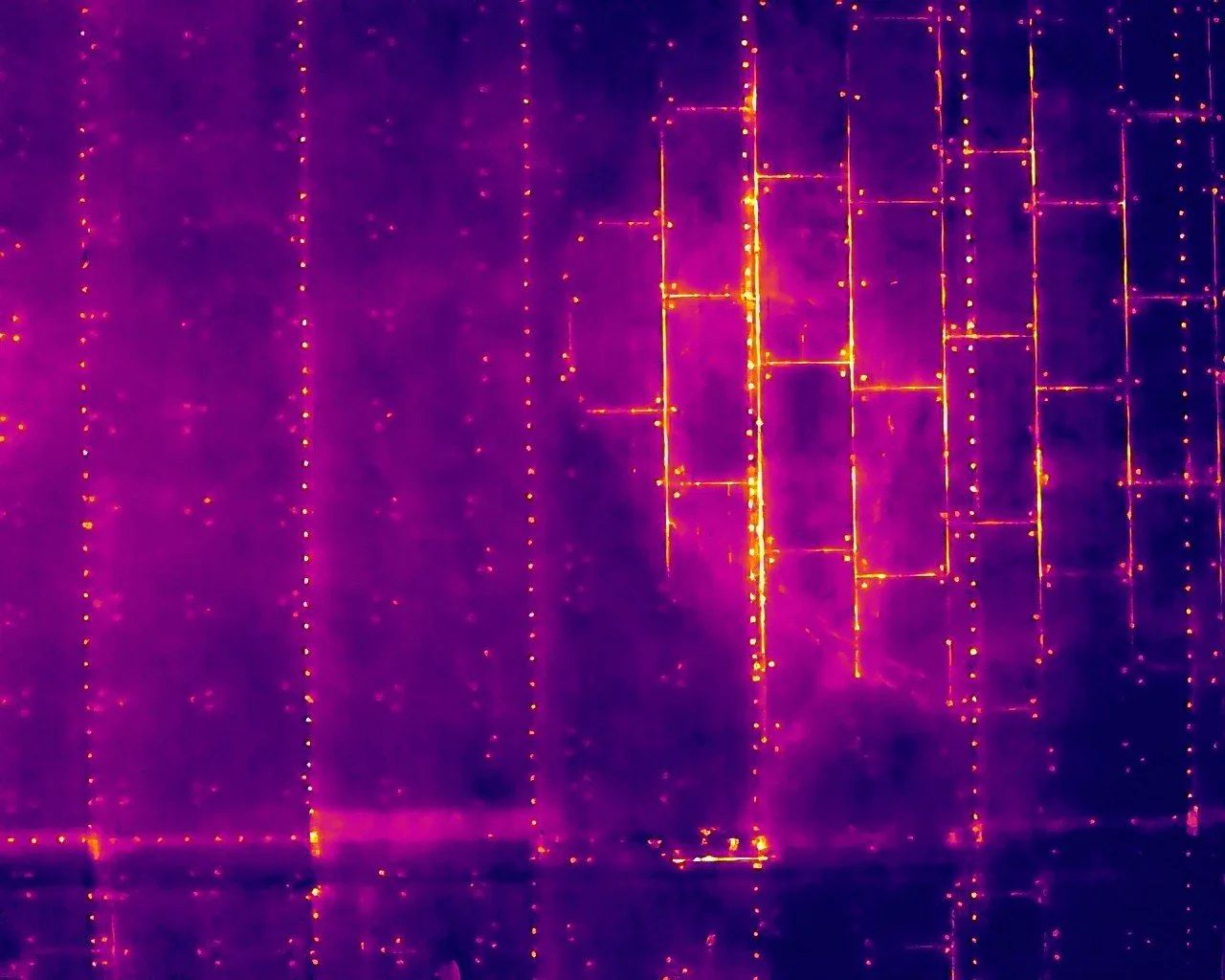 Image 5 of 5
Mapping the Invisible Physics of the Envelope
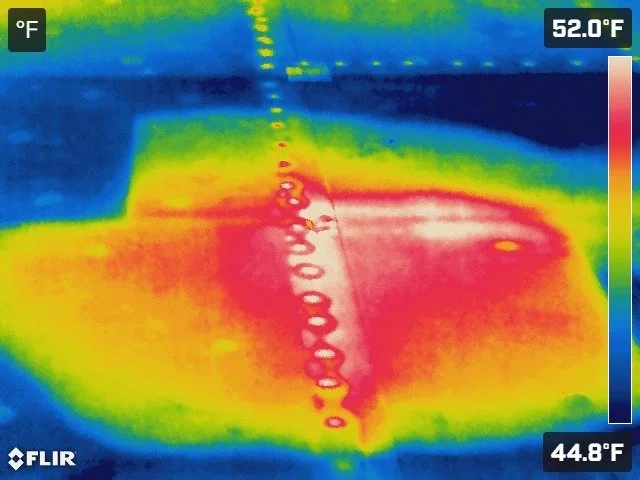
Thermal imaging isn't a "magic wand"—it’s a diagnostic tool that reveals how heat and moisture are actually moving through an assembly. At JEC, we use high-resolution thermography to see what the naked eye misses. We aren't just looking for "hot or cold spots"; we are looking for the thermal anomalies that indicate saturated insulation, air bypasses, or thermal bridging. By visualizing these patterns, we can guide forensic investigations and minimize the need for invasive, "blind" exploratory demolition.
The results provide actionable data to target repairs, improve energy efficiency, and support the long-term durability and performance of the building envelope.
Inspections are performed in accordance with ASTM C1060(Standard Practice for Thermographic Inspection of Insulation Installations in Envelope Cavities of Frame Buildings), ASTM C1156 (Standard Practice for Location of Wet Insulation in Roofing Systems Using Infrared Imaging), and ASTM E1186 (Standard Practices for Air Leakage Site Detection in Building Envelopes and Air Barrier Systems), when applicable.
Mapping the Invisible Physics of the Envelope
Thermal imaging isn't a "magic wand"—it’s a diagnostic tool that reveals how heat and moisture are actually moving through an assembly. At JEC, we use high-resolution thermography to see what the naked eye misses. We aren't just looking for "hot or cold spots"; we are looking for the thermal anomalies that indicate saturated insulation, air bypasses, or thermal bridging. By visualizing these patterns, we can guide forensic investigations and minimize the need for invasive, "blind" exploratory demolition.
The results provide actionable data to target repairs, improve energy efficiency, and support the long-term durability and performance of the building envelope.
Inspections are performed in accordance with ASTM C1060(Standard Practice for Thermographic Inspection of Insulation Installations in Envelope Cavities of Frame Buildings), ASTM C1156 (Standard Practice for Location of Wet Insulation in Roofing Systems Using Infrared Imaging), and ASTM E1186 (Standard Practices for Air Leakage Site Detection in Building Envelopes and Air Barrier Systems), when applicable.