
 Image 1 of 3
 Image 2 of 3
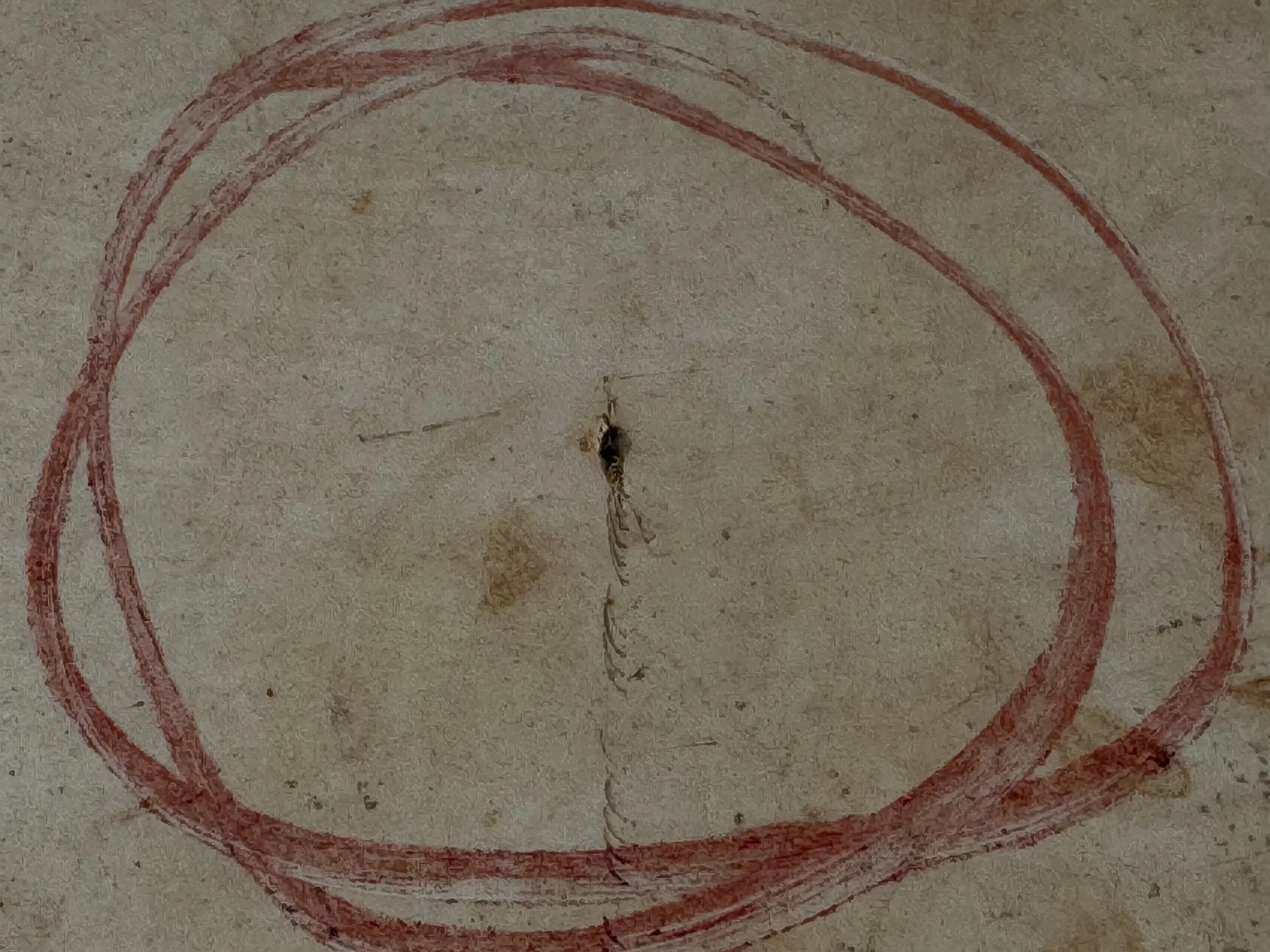 Image 3 of 3
High-Precision Integrity Testing for Roofing and Waterproofing Membranes
Most waterproofing failures are not a result of "bad products," but rather small, concealed breaches at transitions, penetrations, and seams. Traditional flood testing is often impractical, time-consuming, and carries the risk of overloading a structure or causing interior damage if a leak occurs.
Electronic Leak Detection (ELD) provides a safer, faster, and more accurate non-destructive alternative. By utilizing the electrical insulation properties of waterproofing membranes, we can pinpoint even microscopic breaches—often before the overburden is ever installed. This process can typically be provided on the following waterproofing systems: TPO, PVC, white EPDM, built-up roofing (BUR), hot-fluid-applied rubberized asphalt (HRA) membranes, and select PMMA and epoxy coatings. JEC will select the applicable form of ELD (low or high voltage) based on the applicable material.
We utilize both High-Voltage and Low-Voltage testing per ASTM D7877 to ensure adequate coverage across the entire building envelope.
Low-Voltage (Wet) Testing: This method is ideal for large, horizontal surfaces and green roof assemblies. By creating a low-voltage electrical field on a wetted membrane surface, we can follow the directional flow of current to the exact point of a breach. This is highly effective for post-installation QA and can be used for diagnostics during leak investigations.
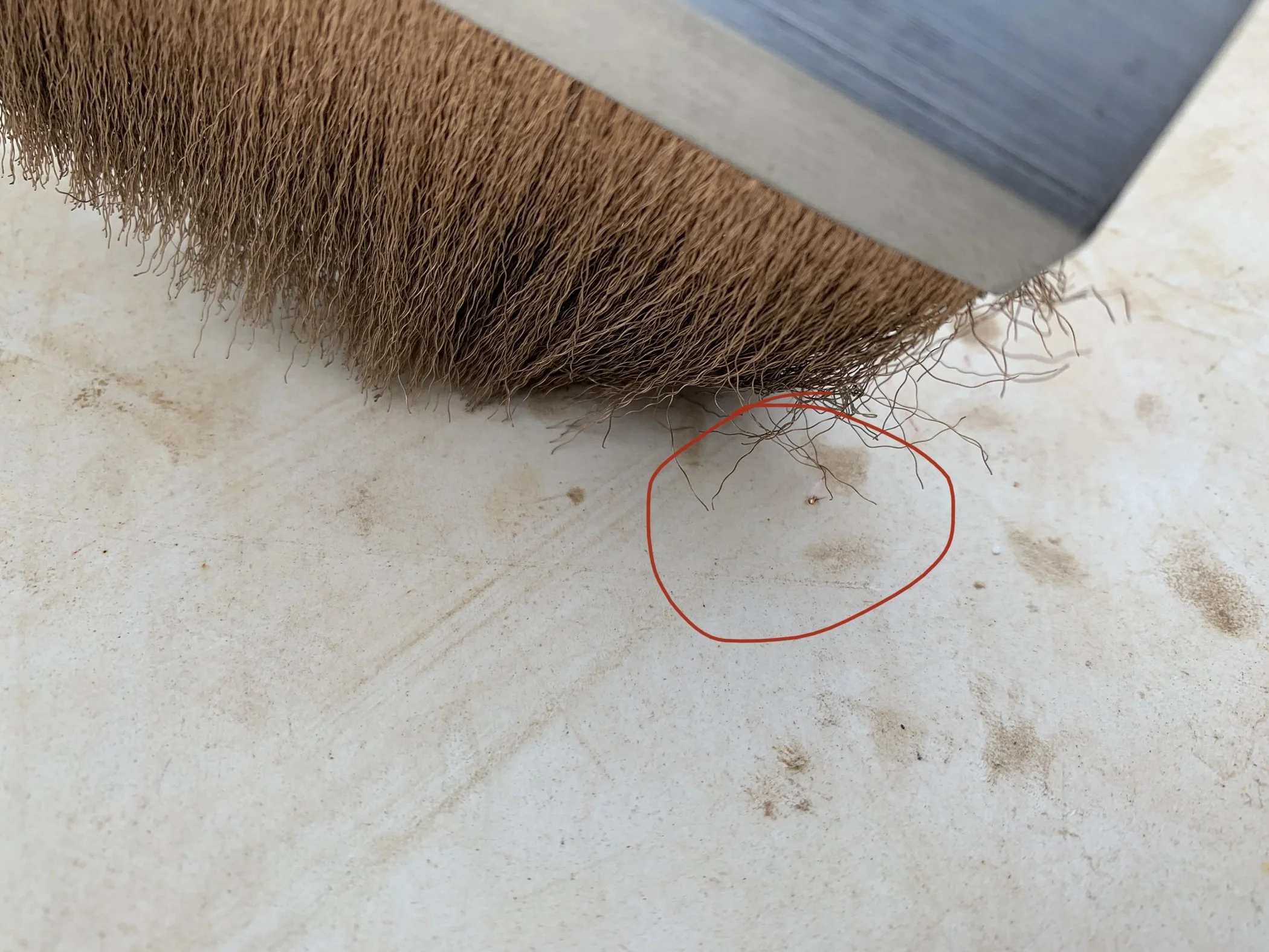
High-Voltage (Dry) Testing: This method is utilized on dry, exposed membranes, such as TPO roofing membrane. A charged electrode brush is swept over the surface; when a breach or "holiday" is encountered, an electrical arc forms between the brush and the conductive substrate below. High-voltage testing is exceptionally effective for many modern flat/low slope roof assemblies.
High-Precision Integrity Testing for Roofing and Waterproofing Membranes
Most waterproofing failures are not a result of "bad products," but rather small, concealed breaches at transitions, penetrations, and seams. Traditional flood testing is often impractical, time-consuming, and carries the risk of overloading a structure or causing interior damage if a leak occurs.
Electronic Leak Detection (ELD) provides a safer, faster, and more accurate non-destructive alternative. By utilizing the electrical insulation properties of waterproofing membranes, we can pinpoint even microscopic breaches—often before the overburden is ever installed. This process can typically be provided on the following waterproofing systems: TPO, PVC, white EPDM, built-up roofing (BUR), hot-fluid-applied rubberized asphalt (HRA) membranes, and select PMMA and epoxy coatings. JEC will select the applicable form of ELD (low or high voltage) based on the applicable material.
We utilize both High-Voltage and Low-Voltage testing per ASTM D7877 to ensure adequate coverage across the entire building envelope.
Low-Voltage (Wet) Testing: This method is ideal for large, horizontal surfaces and green roof assemblies. By creating a low-voltage electrical field on a wetted membrane surface, we can follow the directional flow of current to the exact point of a breach. This is highly effective for post-installation QA and can be used for diagnostics during leak investigations.
High-Voltage (Dry) Testing: This method is utilized on dry, exposed membranes, such as TPO roofing membrane. A charged electrode brush is swept over the surface; when a breach or "holiday" is encountered, an electrical arc forms between the brush and the conductive substrate below. High-voltage testing is exceptionally effective for many modern flat/low slope roof assemblies.